StaniPharm and LiteVax bring a novel vaccine adjuvant from bench to First-in-Human trial in the INDIGO consortium
A novel adjuvant designed to make seasonal influenza vaccines more effective at a fraction of the standard antigen dose has now cleared its first human safety and immunogenicity trial.
Developed by Dutch biotech LiteVax and manufactured by StaniPharm, the dose-sparing adjuvant is at the heart of the EU-India INDIGO consortium’s effort to build more accessible, reduced-dose influenza vaccines.
The adjuvant, a carbohydrate fatty-acid monosulphate ester known as CMS, works by boosting the immune response to a low-dose influenza vaccine, reducing both the antigen needed per dose and the proportion of people who fail to respond adequately to conventional vaccination. Since the earliest preclinical work on CMS, LiteVax and StaniPharm have worked as a tight pair on the adjuvant itself: LiteVax leading its preclinical and clinical development, and StaniPharm responsible for its GMP manufacturing,
This is the same StaniPharm’s adjuvant manufacturing line that fed both the preclinical studies and the first-in-human clinical trial.
INDIGO is a research and innovation Project jointly funded by the European Commission, as part of the Horizon 2020 research and innovation program, and India’s Department of Biotechnology.
The interdisciplinary Consortium consists of 17 partners from India, the European Union and the United States.
This 6-year program contributes to Sustainable Development Goal 3, to ensure health and well-being, at every stage of life, by aiming at the development of an improved seasonal and pandemic vaccines.
For the seasonal vaccine, a reduced dose of existing vaccines will be combined with a new adjuvant to reduce the price of the vaccine while also improving the efficacy, with the goal to increase accessibility of the vaccine in India and other regions of the world regarded as low- to middle- income countries. With respect to the pandemic vaccine, the goal is to be better prepared for future pandemics by improving efficacy, with a focus on the removal of regulatory T cell epitopes, new adjuvants, and an alternative route of administration.
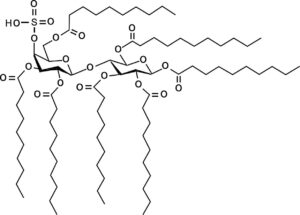
In preclinical studies published in Vaccine (2023), a fifth of a standard seasonal flu vaccine dose combined with CMS produced 10- to 111-fold higher hemagglutination-inhibition antibody titers in ferrets compared to the unadjuvanted low dose, while repeated-dose toxicity studies in rabbits confirmed the adjuvant’s safety, with only mild, transient local reactions observed.
These results supported progression to a first-in-human Phase 1 trial, published in Vaccines (2024) by the Ghent University CEVAC team and partners. Sixty healthy adults aged 18 to 50 received either a fifth-dose quadrivalent influenza vaccine combined with 0.5 mg or 2 mg of CMS, or a full-dose vaccine without adjuvant. The adjuvanted, low-dose formulations were well tolerated, with antibody and CD4+ T-cell responses comparable across all three groups despite the fivefold reduction in antigen.